
Alexander Aerts, “Alexandre Kojève: Bildung in a Revolutionary Cell” – Journal of the History of Ideas blog
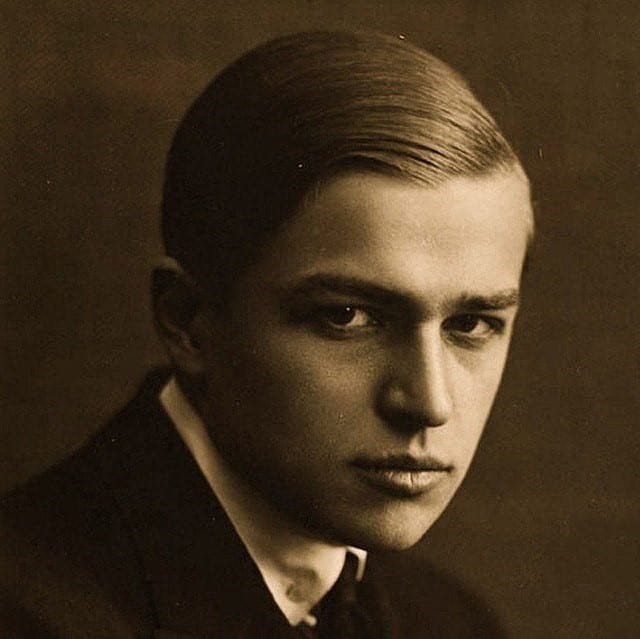
In 1918 the Russian-French philosopher Alexandre Kojève (1902-1968) was caught selling soap on the black-market in Moscow by the Tchèka, the political police of the Bolshevik party. After Kojève’s stepfather was killed by raiding peasants in 1917, the Kozhevnikov’s, an archetypical Muscovite bourgeois family, plunged into financial precarity leading Kojève to earn an extra buck in the informal economy. At the time of the Russian Civil War, the Tchèka were executing thousands of people for petty crimes. Kojève’s niece, Nina Kousnetzoff, stated that Kojève, while sitting in his prison cell, fully understood the risk of being executed. There were adolescents, the same age as Kojève, who were being executed for much less. Luckily, after three days, he was released via family connections. In this think-piece, I argue, following Dominique Auffret’s biography of Kojève, that this short imprisonment in a Tchèka cell was an intellectually formative moment for him, that is, it held a Bildungseffekt on Kojève’s later work on revolutionary terror in his lectures on Hegel’s Phenomenology of Spirit during the 1930s, specifically his analysis on Hegel’s commentary of the French Revolution…. [continues here]
Discover more from Progressive Geographies
Subscribe to get the latest posts sent to your email.


