
João Pina-Cabral, Metapersons: Transcendence and Life – Hau, 2026
Print distributed by University of Chicago Press; available open access
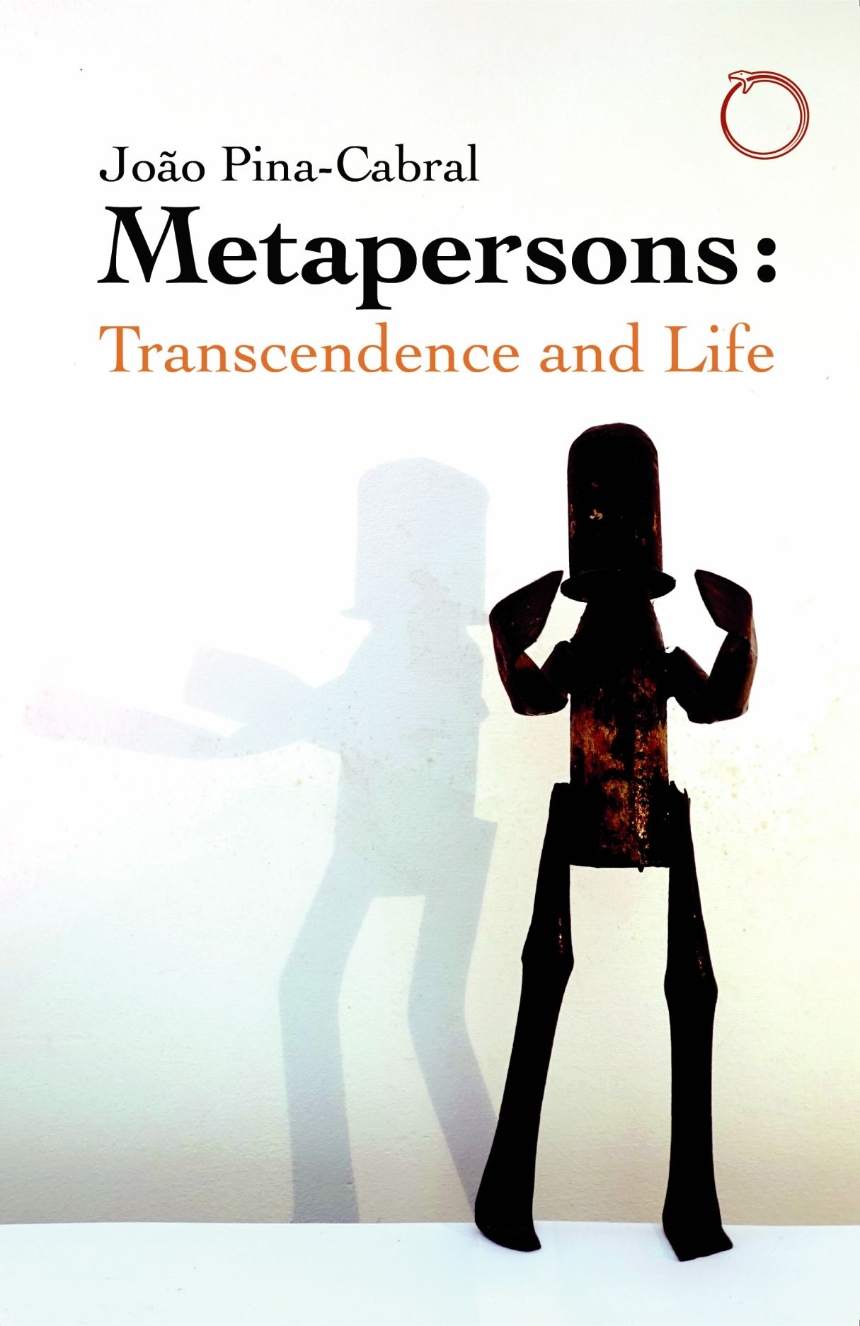
Metapersons begins from a simple yet striking observation: across the world, people live in the company of divinities, ancestors, spirits, sacred mountains, or enlivened statues. They pray with intensity, sense the presence of ghosts, and experience forms of coexistence with beings beyond the human. Drawing on fieldwork in Portugal, China, Mozambique, and Brazil, João Pina-Cabral shows how humans continually move beyond their embodied condition through lived relations with such entities.
Revisiting classic anthropological debates—from Durkheim and Mauss on prayer and the sacred to later critiques of religion—this book argues that a “new anthropological synthesis” has emerged in recent decades: one that understands transcendence as a fundamental feature of life itself. In this light, familiar categories such as “superstition” require reconsideration in new terms. Pina-Cabral develops a scalar model of life’s plurality, seeing personhood as the dynamic source of transcendence.
Engaging with contemporary debates across the life sciences, social sciences, and philosophy, Metapersons offers a groundbreaking, person-centered perspective on transcendence, animism, and spirituality. It challenges disciplinary boundaries while providing an innovative framework for rethinking prayer, religion, and the very conditions of human coexistence with the more-than-human world.
Discover more from Progressive Geographies
Subscribe to get the latest posts sent to your email.


these attempts at ontologizing/reifying all-too-human acts of psychology are quite the vogue now in anthropology, does anyone know of counter-examples of people at least wrestling with possibilities of misplaced-concreteness and or a pragmatist/instrumentalist take that wouldn’t confuse effects/affects (enacted by humans) with accounts of existence/causality?