Workshop: Governing through ‘Post-​’: Post-​Disaster, Post-​Conflict, Post-​Crisis? – Warwick, 18th June 2014

Full details here

9e4426b9c0ff4249c5b272d552ac943eWhat is the sig­ni­fic­ance of ‘post’ in post-​disaster, post-​conflict and post-​crisis, and how might we ana­lyze the sim­il­ar­ities in the gov­ern­mental re­sponses to eco­nomic, in­fra­struc­tural and so­ci­etal dis­rup­tion? We con­tend that, des­pite dis­cip­linary bound­aries which sep­arate the study of war, eco­nomy and dis­aster, im­portant in­sights can be gained through an in­ter­dis­cip­linary ex­plor­a­tion of the way that events are bounded by con­cep­tions of tem­por­ality and re­spons­ib­ility. Events are con­sti­tuted through both an­ti­cip­a­tion and re­mem­brance. The bound­aries of ‘be­fore’ and ‘after’ help to for­mu­late events as ‘mo­ments’ of dis­rup­tion which punc­tuate equi­lib­rium and ne­ces­sitate cor­rective gov­ernance. This is often un­der­taken with scant re­gard for the struc­tures that amp­lify and gen­erate their im­pact, or their on­going ef­fects. Slow-​burning crises are par­tic­u­larly sus­cept­ible to being-​made-​silent within this frame.

The re­si­li­ence dis­course, which has tra­versed studies and policies of eco­nomy, con­flict pre­ven­tion and dis­aster man­age­ment, is paradig­matic with re­gard to con­tem­porary event-​thinking. Resilience ima­gines a field of ac­tion com­prised of ab­stract sys­tems which, when dis­rupted, can re­turn to equi­lib­rium through cor­rective ac­tion. The mo­ment of the event is con­cluded, and tem­por­ally bounded, when this ima­gined equi­lib­rium is re­con­sti­t­uted. The crisis be­comes ‘post-​‘. Such closure through ‘post-​’ tends to al­le­viate poli­cy­makersfrom the need to ad­dress ques­tions of ‘whose dis­aster’, the on­going ex­per­i­ence of ef­fects, on­going and slow-​burning crises, and struc­tural re­spons­ib­il­ities for the caus­a­tion of disaster.

The ques­tion of tem­por­al­ities is in­ter­esting, both with re­gards to the de­ploy­ment of dis­crete bounded mo­ments of crisis – and the fea­tures of post-​conflict, post-​disaster and post-​crisis which sub­vert and ex­ceed this ren­dering. ‘Post-​’ does not quite ac­count for the real­ities of memory and on­going ex­per­i­ences of sup­posedly closed events; public dis­courses and prac­tices of com­mem­or­a­tion can upset the ap­plic­a­tion of bounded limits upon crises, such as memory prac­tices en­acted in ten­sion with de­term­in­a­tions of re­con­cili­ation or claims made upon post-​disaster lands contra the man­euv­ering of ‘dis­aster cap­it­al­ists’. Events linger on in the era of ‘post-​’, des­pite ef­forts to con­tain them within tem­poral and con­cep­tual bounds.

The work­shop is funded by the Institute of Advanced Study and the Global Governance GRP, University of Warwick. It will take place at Milburn house, Institute of Advanced Study, 18th June 2014. And is or­gan­ised by Charlotte Heath-​Kelly & Illan Rua Wall

Please re­gister here (places are free and lunch will be provided) if you plan on attending.


Posted in Conferences, Politics | 1 Comment

Surveillance & Society new issue on Big Data Surveillance

Surveillance & Society new issue on big data surveillance – with a Society and Space commentary on related issues coming next week.

Posted in Uncategorized | Leave a comment

Saskia Sassen, ‘Expulsions: Complexity and Brutality’ – lectures at Durham, LSE and Dublin

Three lectures by Saskia Sassen on her forthcoming book Expulsions.

stuartelden's avatarProgressive Geographies

Sassen Saskia Sassen’s  Expulsions is forthcoming in June 2014.

Saskia Sassen, “Expulsions: Complexity and Brutality” – lecture at Durham University in February 2014 (via ANTHEM).

Update: a lecture at the LSE on the same topic is available here (via The Anthropo.scene]

And one at UC Dublin below (via Synthetic Zero)

View original post

Posted in Uncategorized | Leave a comment

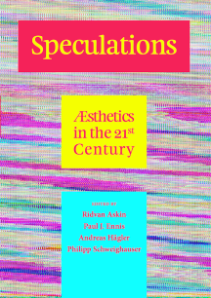
Speculations V out – Aesthetics in the 21st Century

Speculations_V_Cover_Front_WEB-216x306The latest issue of Speculations is out – on Aesthetics in the 21st Century. Essays by Steven Shaviro, Sjoerd van Tuinen, Graham Harman, Claire Colebrook and many others.

Free to download or paperback to buy here.

Posted in Uncategorized | Leave a comment

The Israeli ID-System and Palestinian Segregation – a powerful visualisation

Visualising Palestine have done it again – a really powerful representation of the Israeli ID-System and Palestinian Segregation. Thanks to Léopold Lambert for the link.

vp-id-opchart-final-en-20140515

Posted in Boundaries, Politics, Territory | 2 Comments

University of Sydney conference on Karl Polanyi and Friedrich Hayek, 15-16 August 2014

Poster-Sydney-Workshop-2-214x302Forthcoming workshop at the University of Sydney on Karl Polanyi and Friedrich Hayek – ‘Questioning the Utopian Springs of Market Economy’ and will take place across 15 and 16 August 2014. More details here.

Posted in Conferences, Politics | Leave a comment

Provocations of the Present: What Culture for What Geography? – 6th Doreen Massey event

6th annual Doreen Massey event at the Open University – “Provocations of the Present: What Culture for What Geography?

The Geography Departments of the Open University and Royal Holloway, University of London are delighted to announce that the 6th Doreen Massey Annual Event will take place on Friday 6 June 2014 at the Open University in Milton Keynes. This year’s theme is the role of cultural geography in the contemporary moment.

In his book Maps of Meaning (1989) Peter Jackson set out an agenda for the ‘new cultural geography’ that was firmly committed to bringing together issues of culture and politics through an engagement between geography and cultural theory. In the 25 years since its publication cultural geography has, arguably, come to dominate human geography. Theorisations of production of culture as production of space have formed the basis for addressing a variety of ‘issues’ including race, gender, nation, nature and culture.

Today those provocations for culturally attuned spatial thinking have been significantly reframed. Issues such as the environment, mobility, globalisation, liberalisation, security, sexuality and cultural intolerance have become more prominent political issues while other concerns have faded away. Cultural geography has also transformed, as too have the media and modalities of politics and political debate. How do we understand culture within this context and what is the role of cultural geography in the politics of the present? How will geography as a discipline be shaped by cultural geography? This event brings together some of the key thinkers in cultural geography in order to address these questions.


Posted in Conferences | 1 Comment

Hannah Arendt movie – trailer and a few thoughts


I finally watched the Hannah Arendt movie yesterday. In some parts it’s flawed – especially the flashback scenes to her time at Freiburg University, and the affair with Heidegger – but other parts are powerful and thoughtful. It mainly focuses on the Adolf Eichmann trial, blending documentary footage with the film. I liked that it was in multiple languages, with subtitles. It’s especially good on the controversy following her book on the trial, and the complicated relationship with Hans Jonas was interesting. Worth watching if you can.

Posted in Hannah Arendt, Martin Heidegger | 12 Comments

Martin Heidegger interviewed by a Buddhist Monk on German Television (English subtitles)

This is a rather strange interview, which Heidegger appears to have scripted in advance and to be reading off notes. Thanks to Elena Loizidou for the link (via Open Culture) – click on cc at the bottom if the subtitles don’t appear.

Posted in Martin Heidegger | 1 Comment

Wonderful photographs of abandoned places

abandoned-places-4

Many more here.

Posted in Uncategorized | 4 Comments